
Igneous Rock Drawing
Igneous Rock Drawing - Here is a list of practical tips for identifying a rock: All magma develops underground, in the lower crust or upper mantle ,. Web igneous rocks form by the cooling and crystallization of hot, molten rock (magma & lava). First, distinguishing them from sedimentary and metamorphic rocks, and then determining their specific type. Web learn about the rock cycle in geology. Get a rock cycle diagram and an explanation of how igneous, metamorphic, and sedimentary rocks change. If this happens at or near the land surface, or on the seafloor, they are extrusive (or volcanic) igneous rocks. If this happens deep underground,. Web to identify an igneous rock, first determine its approximate mineral composition by judging its overall color and labeling it as felsic, intermediate, mafic, or ultramafic. Web learn more about the major types of igneous rock, which includes plutonic, intrusive, and extrusive igneous rocks. Get a rock cycle diagram and an explanation of how igneous, metamorphic, and sedimentary rocks change. Web learn about the rock cycle in geology. Web igneous rocks form by the cooling and crystallization of hot, molten rock (magma & lava). Web identifying igneous rocks involves two key steps: Web to identify an igneous rock, first determine its approximate mineral composition by judging its overall color and labeling it as felsic, intermediate, mafic, or ultramafic. Web igneous rocks form when magma (molten rock) cools and crystallizes, either at volcanoes on the surface of the earth or while the melted rock is still inside the crust. Then, compare your observations to known igneous rock types. Get free printable coloring page of this drawing. All magma develops underground, in the lower crust or upper mantle ,. If this happens deep underground,. Here is a list of practical tips for identifying a rock: Get a rock cycle diagram and an explanation of how igneous, metamorphic, and sedimentary rocks change. All magma develops underground, in the lower crust or upper mantle ,. If this happens at or near the land surface, or on the seafloor, they are extrusive (or volcanic) igneous rocks. Next,. First, distinguishing them from sedimentary and metamorphic rocks, and then determining their specific type. If this happens deep underground,. Get a rock cycle diagram and an explanation of how igneous, metamorphic, and sedimentary rocks change. Here is a list of practical tips for identifying a rock: Get free printable coloring page of this drawing. Web learn about the rock cycle in geology. All magma develops underground, in the lower crust or upper mantle ,. Next, observe its texture based on the crystal grain sizes present in the rock. Web to identify an igneous rock, first determine its approximate mineral composition by judging its overall color and labeling it as felsic, intermediate, mafic, or ultramafic.. Get free printable coloring page of this drawing. Next, observe its texture based on the crystal grain sizes present in the rock. All magma develops underground, in the lower crust or upper mantle ,. Get a rock cycle diagram and an explanation of how igneous, metamorphic, and sedimentary rocks change. Web learn more about the major types of igneous rock,. By following the simple steps, you too can easily draw a perfect rocks. Web learn more about the major types of igneous rock, which includes plutonic, intrusive, and extrusive igneous rocks. Web igneous rock drawing stock photos and images. Next, observe its texture based on the crystal grain sizes present in the rock. Web learn about the rock cycle in. If this happens deep underground,. Get a rock cycle diagram and an explanation of how igneous, metamorphic, and sedimentary rocks change. Web to identify an igneous rock, first determine its approximate mineral composition by judging its overall color and labeling it as felsic, intermediate, mafic, or ultramafic. Web igneous rocks form by the cooling and crystallization of hot, molten rock. Here is a list of practical tips for identifying a rock: If this happens at or near the land surface, or on the seafloor, they are extrusive (or volcanic) igneous rocks. Web to identify an igneous rock, first determine its approximate mineral composition by judging its overall color and labeling it as felsic, intermediate, mafic, or ultramafic. Web learn more. Web igneous rocks form by the cooling and crystallization of hot, molten rock (magma & lava). If this happens at or near the land surface, or on the seafloor, they are extrusive (or volcanic) igneous rocks. Web igneous rock drawing stock photos and images. Web igneous rocks form when magma (molten rock) cools and crystallizes, either at volcanoes on the. All magma develops underground, in the lower crust or upper mantle ,. Web igneous rocks form by the cooling and crystallization of hot, molten rock (magma & lava). Web igneous rock drawing stock photos and images. Web igneous rocks form when magma (molten rock) cools and crystallizes, either at volcanoes on the surface of the earth or while the melted. By following the simple steps, you too can easily draw a perfect rocks. First, distinguishing them from sedimentary and metamorphic rocks, and then determining their specific type. Web igneous rocks form by the cooling and crystallization of hot, molten rock (magma & lava). Web to identify an igneous rock, first determine its approximate mineral composition by judging its overall color. Web learn more about the major types of igneous rock, which includes plutonic, intrusive, and extrusive igneous rocks. Web identifying igneous rocks involves two key steps: All magma develops underground, in the lower crust or upper mantle ,. If this happens deep underground,. Web igneous rocks form by the cooling and crystallization of hot, molten rock (magma & lava). Get free printable coloring page of this drawing. Web igneous rocks form when magma (molten rock) cools and crystallizes, either at volcanoes on the surface of the earth or while the melted rock is still inside the crust. If this happens at or near the land surface, or on the seafloor, they are extrusive (or volcanic) igneous rocks. Next, observe its texture based on the crystal grain sizes present in the rock. Then, compare your observations to known igneous rock types. Web learn about the rock cycle in geology. Web igneous rock drawing stock photos and images. Here is a list of practical tips for identifying a rock: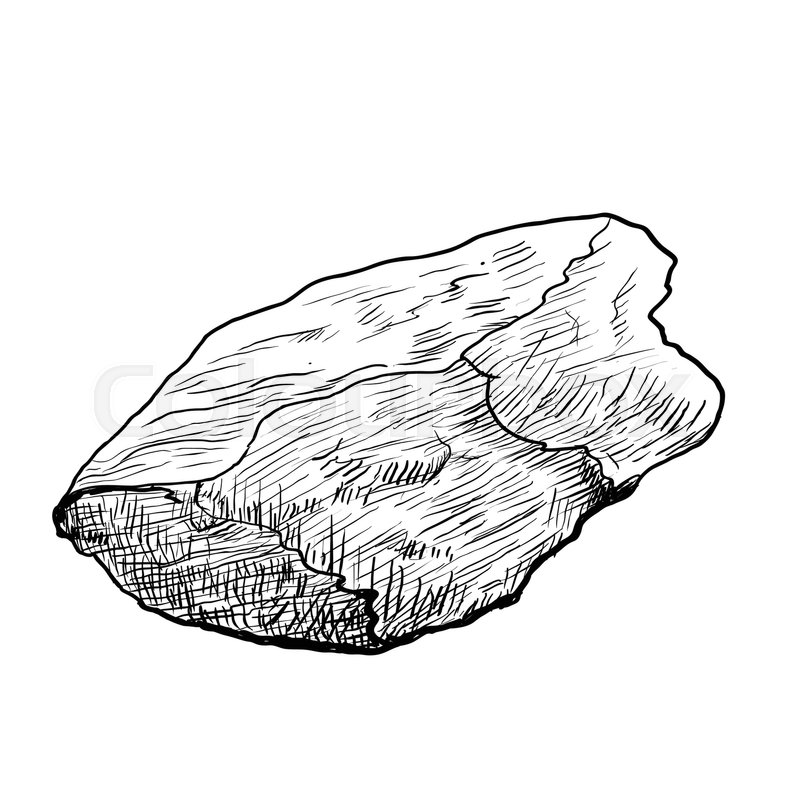
Igneous Rocks Drawing at GetDrawings Free download
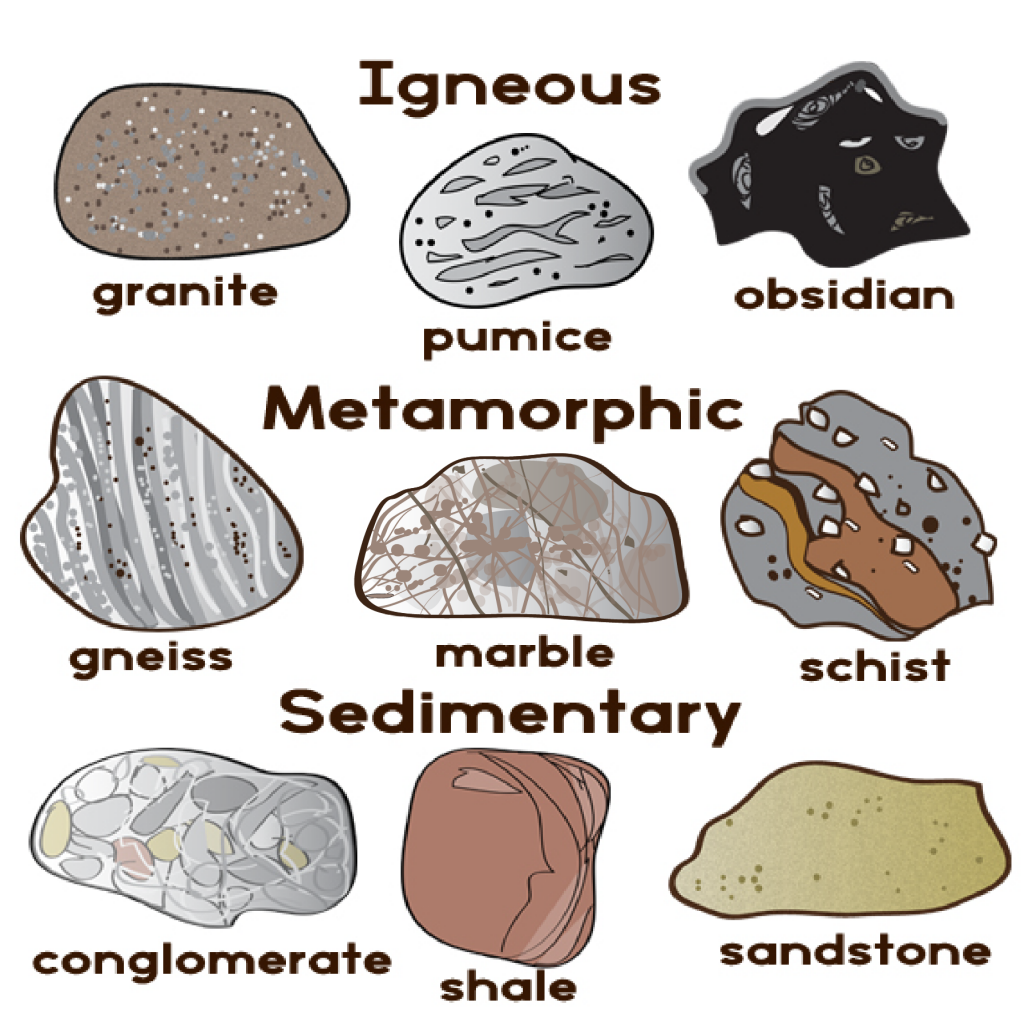
Section 3 Classifying Rocks Nitty Gritty Science
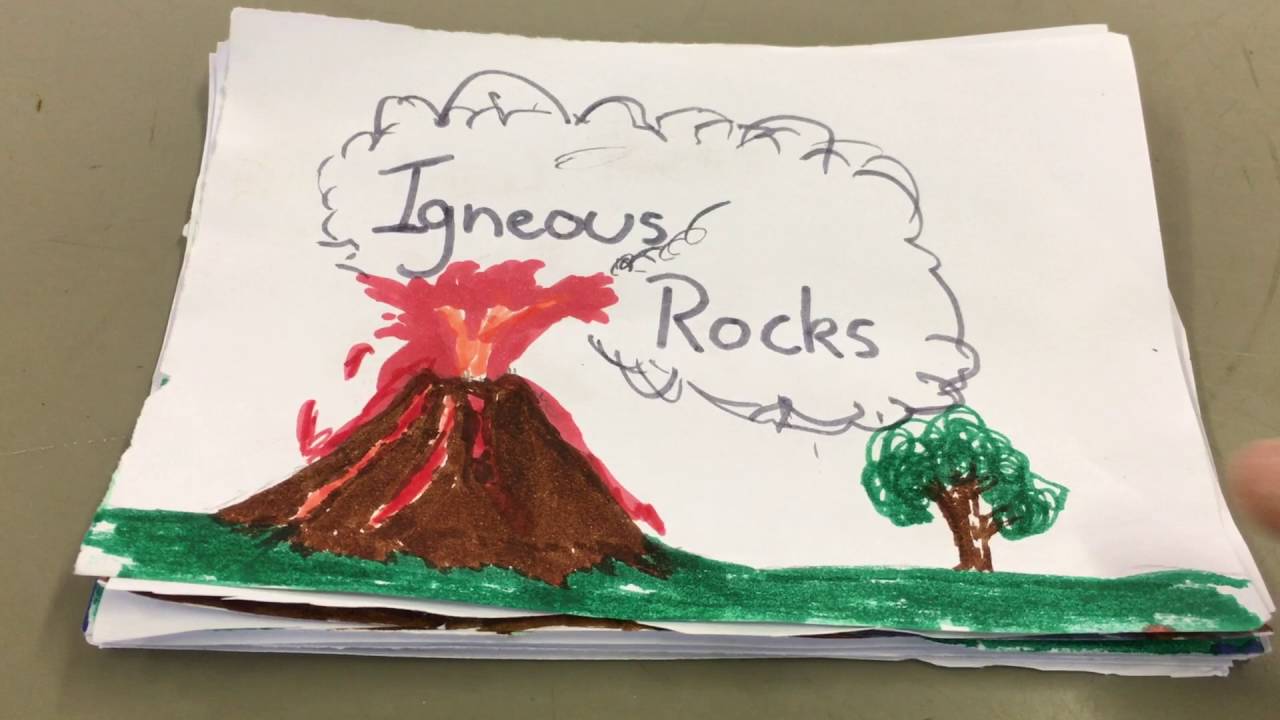
Igneous Rock Drawing at Explore collection of
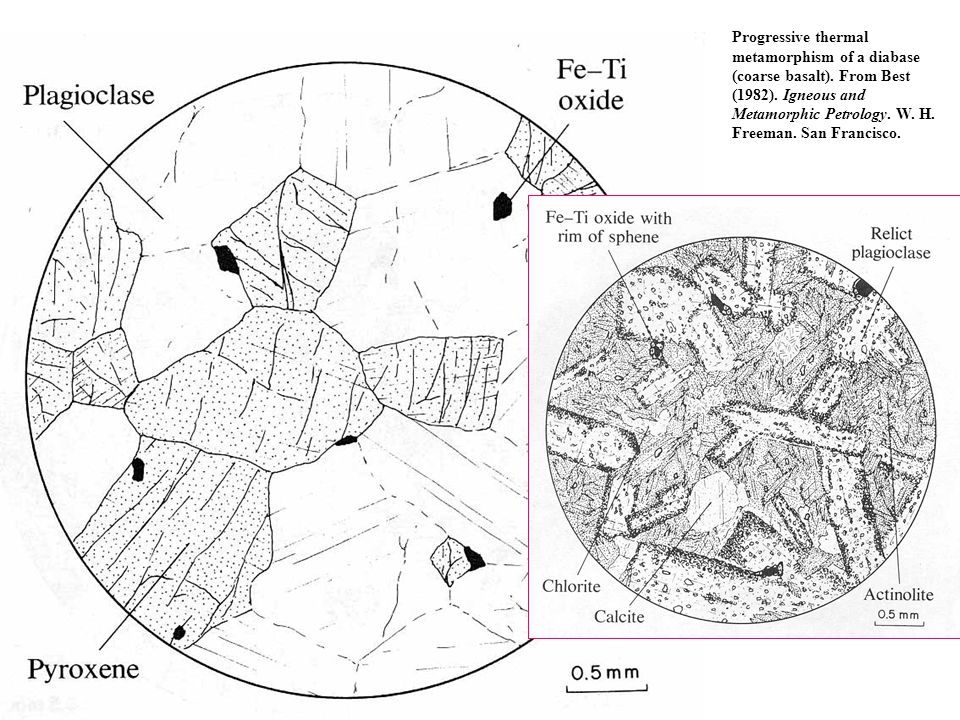
Igneous Rock Drawing at GetDrawings Free download
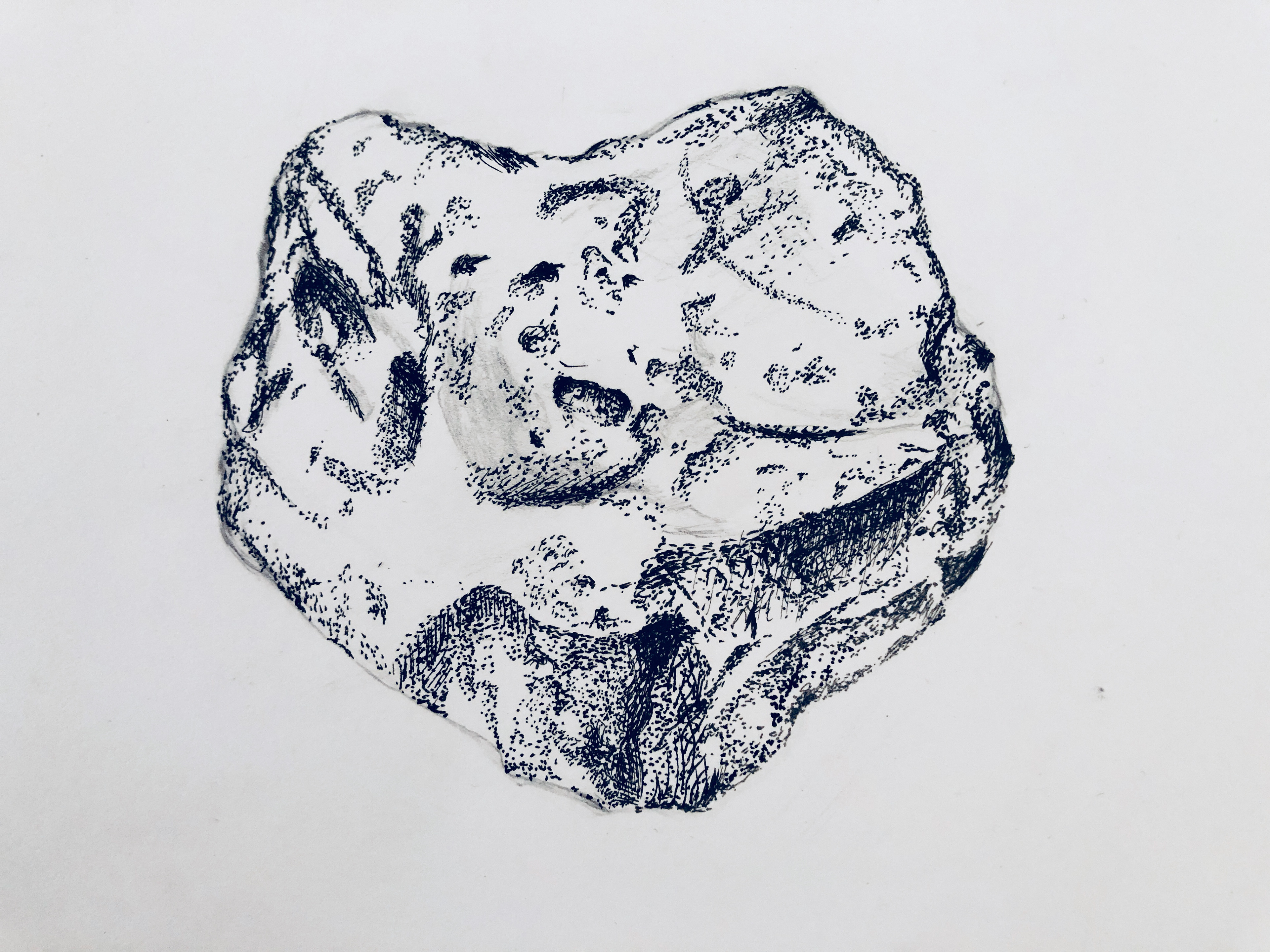
Igneous Rock Drawing at Explore collection of
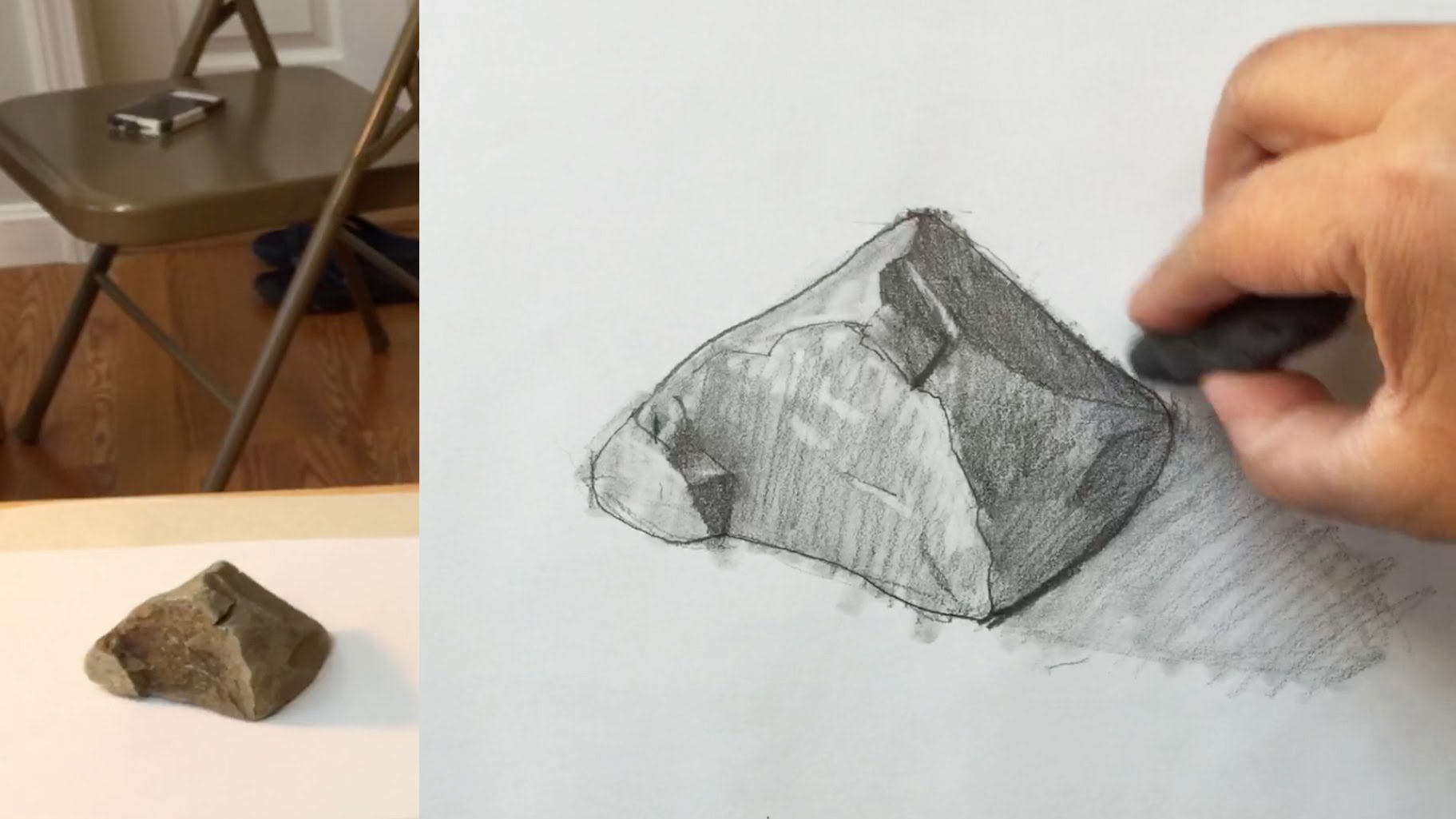
Igneous Rock Drawing at GetDrawings Free download
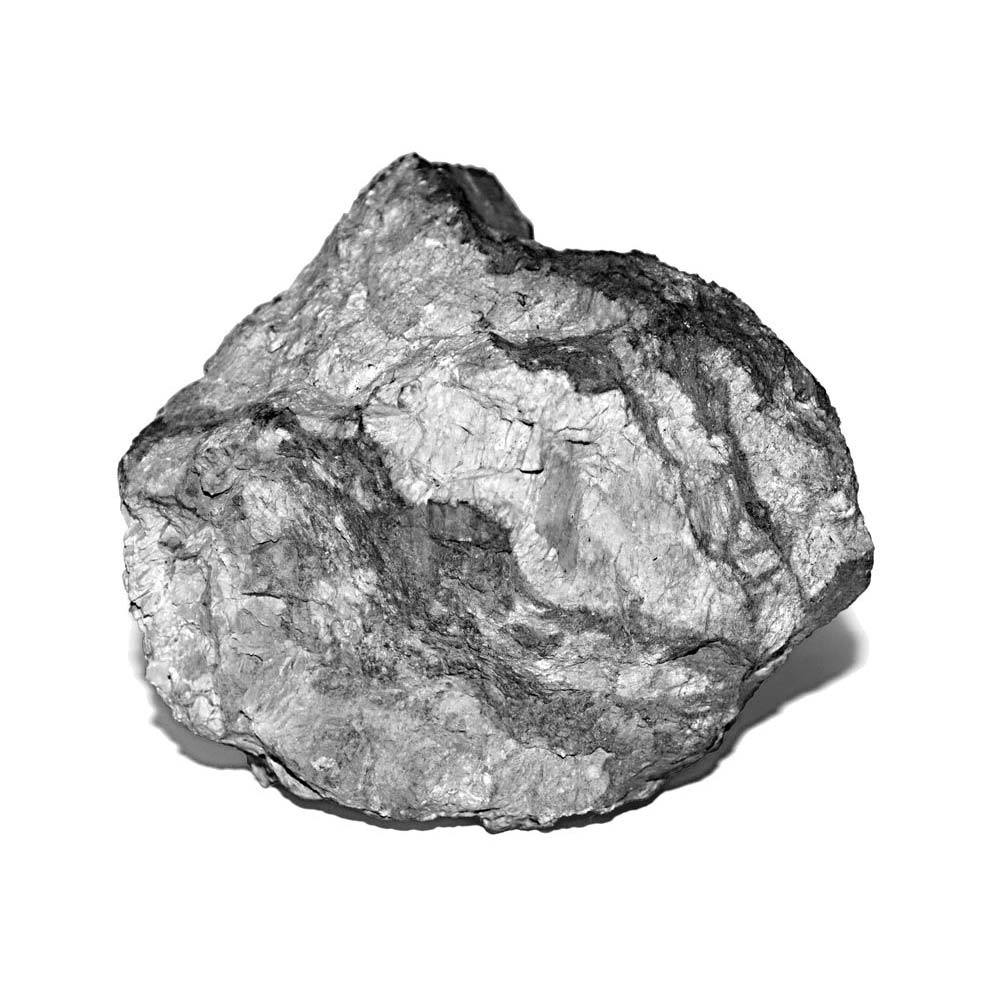
Igneous Rock Drawing at Explore collection of
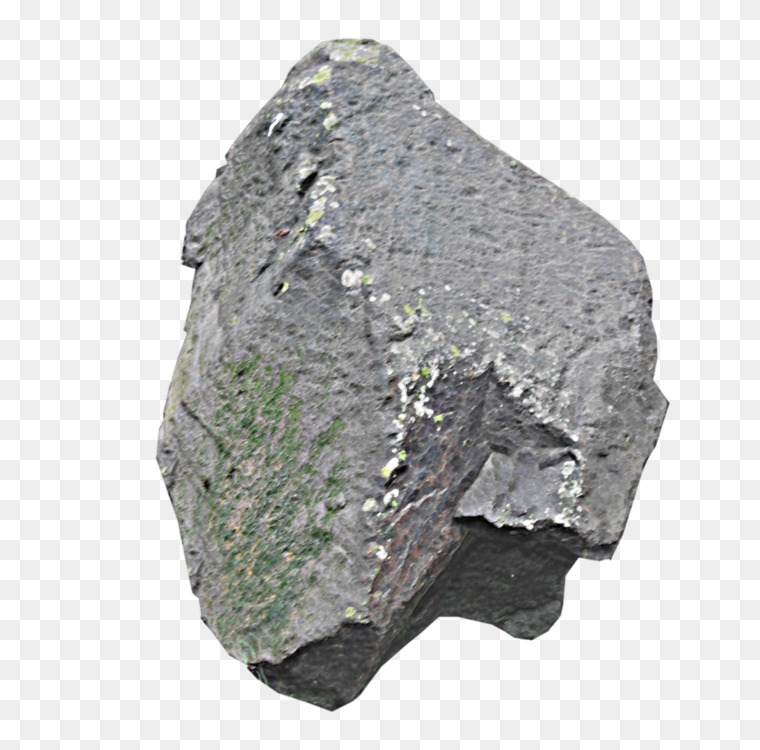
Igneous Rock Drawing at Explore collection of
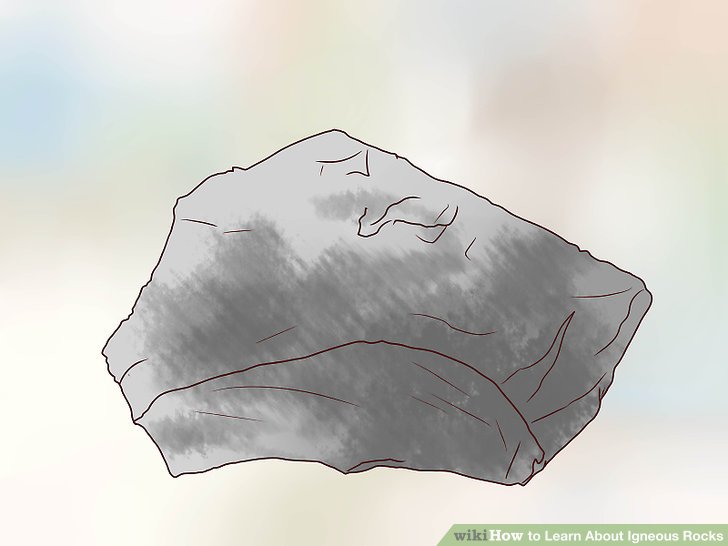
Igneous Rock Drawing at Explore collection of
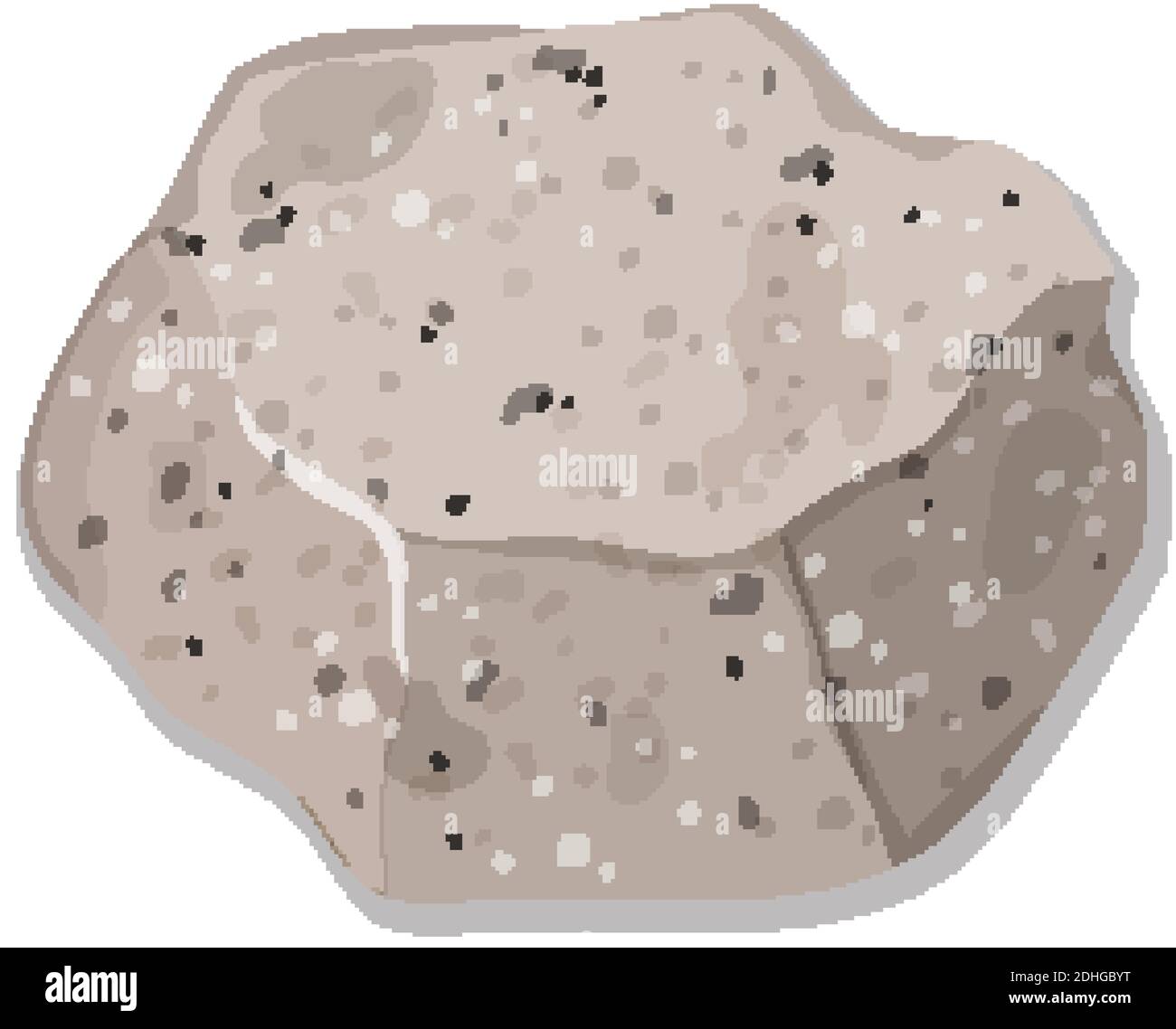
Igneous Rocks Drawing
By Following The Simple Steps, You Too Can Easily Draw A Perfect Rocks.
Web To Identify An Igneous Rock, First Determine Its Approximate Mineral Composition By Judging Its Overall Color And Labeling It As Felsic, Intermediate, Mafic, Or Ultramafic.
Get A Rock Cycle Diagram And An Explanation Of How Igneous, Metamorphic, And Sedimentary Rocks Change.
First, Distinguishing Them From Sedimentary And Metamorphic Rocks, And Then Determining Their Specific Type.
Related Post: