
Scientific Method Drawing
Scientific Method Drawing - We've reached the final step of the scientific method. An experiment is designed to test the hypothesis, and. Web learn about the scientific method, with these explanations of each step of the process, the variables involved, and why these steps are important. First, an observation or question arises about a phenomenon. 3.1 logical constructionism and operationalism. It can be illustrated using a diagram like this: Logic of method and critical responses. Scientists use the scientific method because it is objective and based on evidence. Web psychologists use the scientific method to investigate the mind and behavior. Web the scientific method is a logical approach to understanding the world. Not sure how to apply the scientific method? A testable explanation or hypothesis is then created. Encourage students to ask why, what, when, where, or how about a particular phenomenon or topic. First, an observation or question arises about a phenomenon. Your conclusion should be based solely on your results. 1) asking a question about something you observe, 2) doing background research to learn what is already known about the topic, 3) constructing a hypothesis, 4) experimenting to test the hypothesis, 5) analyzing the data from the experiment and drawing conclusions, and 6) communicating the results. The scientific method is used in all sciences—including chemistry, biology, geology, and psychology. If the conclusion means the hypothesis is rejected, then another hypothesis needs to. Watch how we use the scientific method to explore the sci. It minimizes biases and enables replicable research, leading to groundbreaking discoveries like einstein's theory of relativity, penicillin, and the structure of dna. This is when a hypothesis is either accepted or rejected. Web the scientific method is a systematic process involving steps like defining questions, forming hypotheses, conducting experiments, and analyzing data. Not sure how to apply the scientific method? It involves making observations, formulating a hypothesis, and conducting scientific experiments. Teach them to use their senses to gather information and make. Get them wondering about something that they find interesting or have a passion for. First, an observation or question arises about a phenomenon. If the conclusion means the hypothesis is rejected, then another hypothesis needs to. Web you’re probably familiar with the scientific method—the process of performing specific actions in a specific order to solve problems and reach useful conclusions.. We've reached the final step of the scientific method. The scientific method has five basic steps, plus one feedback step: Think about the following questions: Encourage students to ask why, what, when, where, or how about a particular phenomenon or topic. A brief history of science. It involves making observations, formulating a hypothesis, and conducting scientific experiments. Background research/ research the topic. Your conclusion should answer the question posed in step one. Jun 19, 2024 • article history. Learn more about each of the five steps of the scientific method and how they are used. Your conclusion should answer the question posed in step one. In designing an experiment, the specific question (or questions) that the experiment is meant to answer must first be clearly identified. Finally, you've reached your conclusion. The scientific method is a system of exploring the world around us, asking and answering questions, and making predictions. Web here’s how it works. Scientists ask questions, gather evidence, share ideas, and analyze data. Logic of method and critical responses. It is the process used among all scientific disciplines and is used to conduct both small and large experiments. 1) asking a question about something you observe, 2) doing background research to learn what is already known about the topic, 3) constructing a hypothesis,. Web you’re probably familiar with the scientific method—the process of performing specific actions in a specific order to solve problems and reach useful conclusions. Your conclusion should be based solely on your results. Logic of method and critical responses. Web here’s how it works. Web in a nutshell, the scientific method works by making observations, asking a question or identifying. Your conclusion should answer the question posed in step one. The scientific method involves careful observation coupled with rigorous scepticism, because cognitive assumptions can distort the interpretation of the observation. A testable explanation or hypothesis is then created. The scientific method is used in all sciences—including chemistry, biology, geology, and psychology. Form a hypothesis, or testable explanation. Your conclusion should answer the question posed in step one. 1) asking a question about something you observe, 2) doing background research to learn what is already known about the topic, 3) constructing a hypothesis, 4) experimenting to test the hypothesis, 5) analyzing the data from the experiment and drawing conclusions, and 6) communicating the results. It involves making observations,. It is the process used among all scientific disciplines and is used to conduct both small and large experiments. An experiment is designed to test the hypothesis, and. This is when a hypothesis is either accepted or rejected. Web here’s how it works. A hypothesis can take the form of an explanation. Make a prediction based on the hypothesis. The scientific method is a system of exploring the world around us, asking and answering questions, and making predictions. The scientific method has five basic steps, plus one feedback step: Web in a nutshell, the scientific method works by making observations, asking a question or identifying a problem, and then designing and analyzing an experiment to test a prediction of what you expect will happen. A hypothesis is fundamental to the scientific method. It involves making observations, formulating a hypothesis, and conducting scientific experiments. Web the scientific method is a process that includes several steps: Teach them to use their senses to gather information and make notes—for example, what are they seeing, hearing, etc. It minimizes biases and enables replicable research, leading to groundbreaking discoveries like einstein's theory of relativity, penicillin, and the structure of dna. The scientific method involves careful observation coupled with rigorous scepticism, because cognitive assumptions can distort the interpretation of the observation. Web the six steps of the scientific method include: Web experimentation is the heart of science. Not sure how to apply the scientific method? Web the scientific method is an empirical method for acquiring knowledge that has characterized the development of science since at least the 17th century. Jun 19, 2024 • article history. If the conclusion means the hypothesis is rejected, then another hypothesis needs to.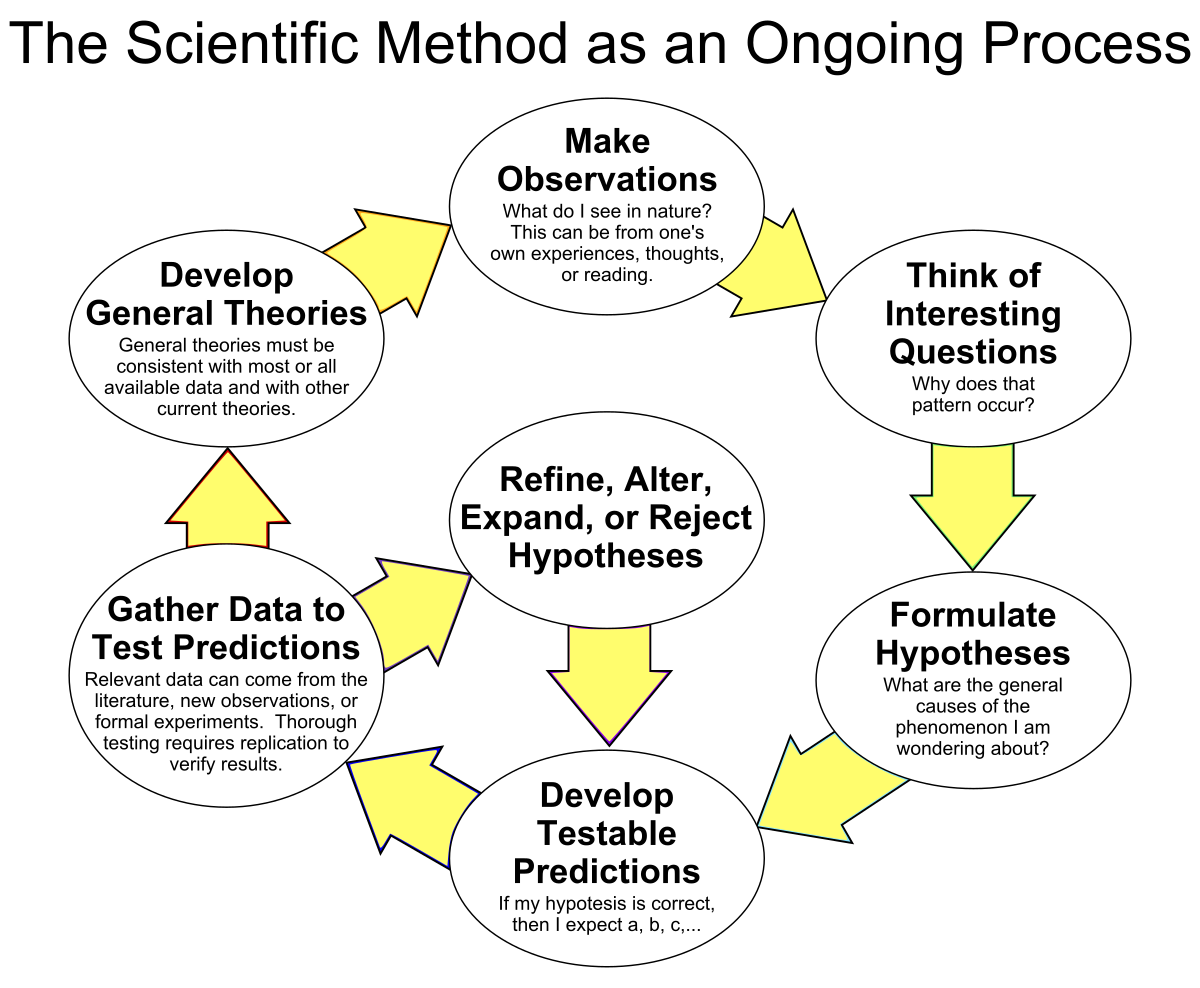
Scientific method Wikipedia

Science Scientist Scientific Method Research Design, PNG, 800x800px

A schematic of the scientific method. Download Scientific Diagram
The Steps of the Scientific Method for Kids Science for Children

Formula for Using the Scientific Method Owlcation
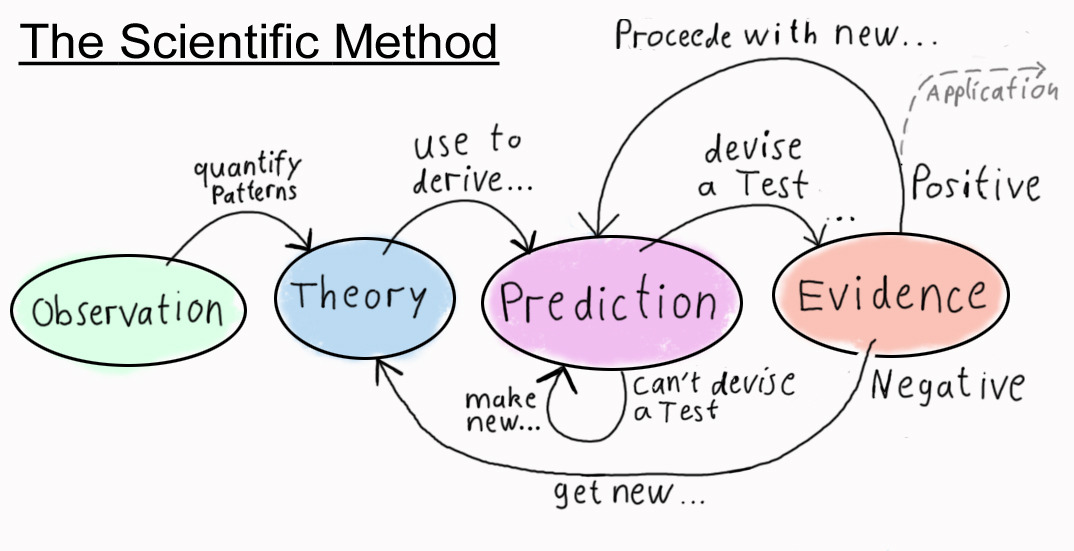
Science Visualized • The Scientific Method Infographic by Jan Graf von...
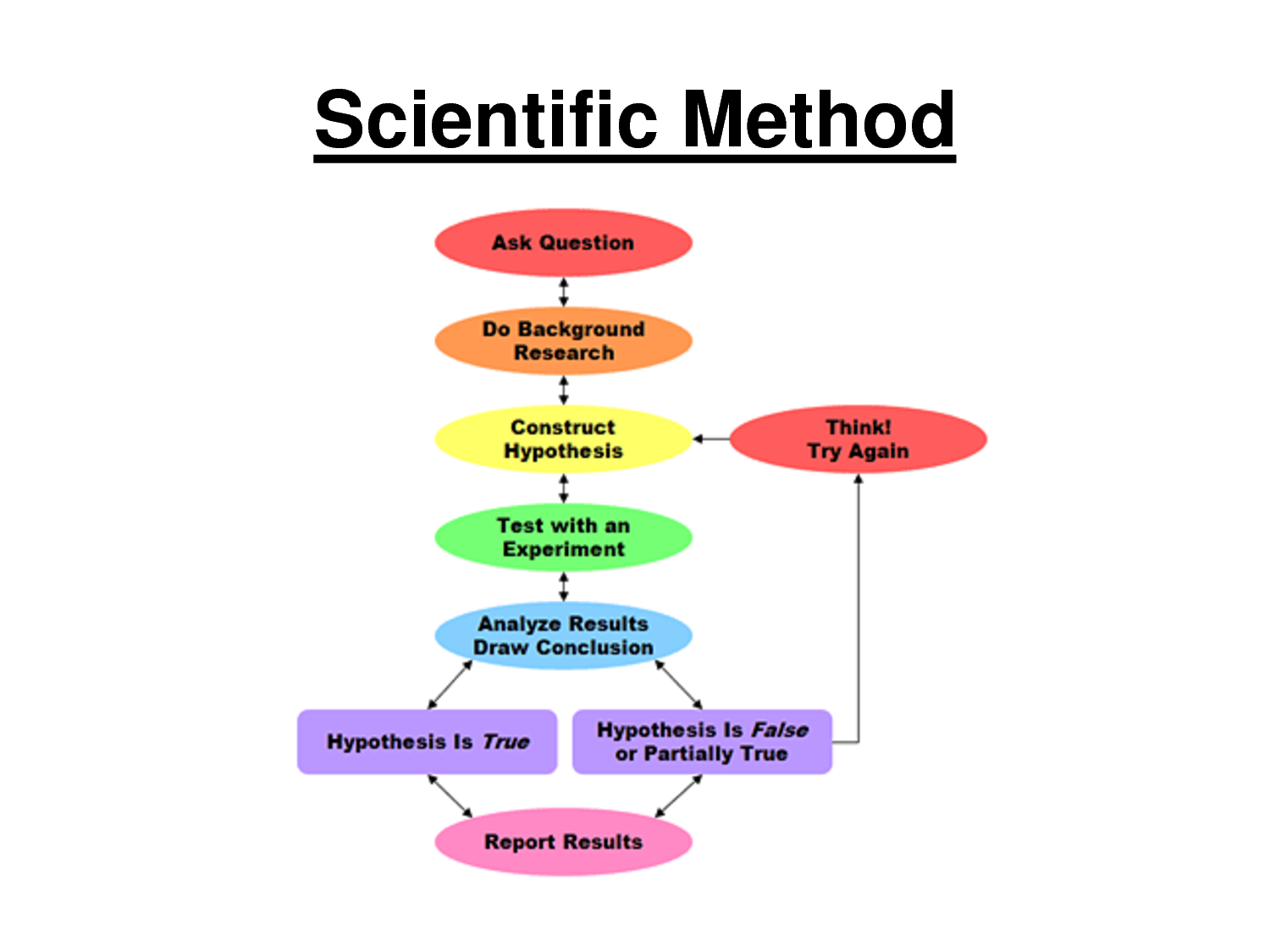
Political Calculations Examples of Junk Science Falsifiability Fail
:max_bytes(150000):strip_icc()/scientific-method-p2-373335_V2-01-2f51a3a43c8e4be7900848f13c57eef4.png)
Scientific Method Definition and Examples

Scientific Method Steps for Kids with Fun Printable Worksheets Kids

Scientific Method Coloring Sheet
Web Here’s How It Works.
The Scientific Method Is A Series Of Steps Followed By Scientific Investigators To Answer Specific Questions About The Natural World.
Your Conclusion Should Be Based Solely On Your Results.
Web Updated On August 21, 2019.
Related Post: